Injured in a Snowstorm Crash in Maine? Here’s What to Know
A snowstorm crash can turn an ordinary drive into a mess of unanswered questions. One driver swears they were being careful. Another insists the road was impossible. The police report feels incomplete. Meanwhile, you are hurt, missing work, and trying to make sense of what actually happened. When the facts are unclear and fault is in question, you deserve honest answers. At Mann Law, we help injured people cut through the confusion and protect their rights as they recover.
Key Takeaways
- Snowstorm car accidents in Maine often involve dangerous road conditions:
Black ice, reduced visibility, and slick roads can make even cautious drivers vulnerable to serious crashes.
- Fault in winter crashes depends on driver behavior and road maintenance:
Liability may involve negligent drivers, municipalities, or property owners who failed to address hazardous conditions.
- Injuries from snowstorm crashes can be severe and long-lasting:
Victims may suffer head injuries, spinal trauma, fractures, and long-term mobility or pain issues requiring ongoing care.
- Strong documentation helps protect your injury claim:
Photos of road conditions, medical records, weather reports, and police reports can strengthen your compensation case.
- An experienced Maine car accident attorney can protect your rights:
Legal guidance can help challenge insurance denials, prove liability, and pursue full compensation after a snowstorm crash.
What Makes Snowstorm Crashes So Complicated in Maine?
A snowstorm car accident injury in Maine often looks different from a clear-day crash. Roads are slick. Visibility drops. Drivers react late or overcorrect. Insurance companies know this and often argue that the weather, not the driver, caused the wreck. That framing matters because liability determines whether compensation is available.
Under Maine law, every driver must use reasonable care under the circumstances. That means slowing down, increasing following distance, and adjusting to snow or ice, not pretending it’s a typical day. Bad weather does not excuse careless driving or the failure to clear snow or ice from the vehicle. Instead, it raises the standard of caution.
What To Do After a Snow-Related Crash in Maine
If you are able, taking steps early can protect both your health and your claim. Doing the following is essential:
- Get medical care. Cold temperatures and adrenaline can hide injuries. Early treatment creates a clear record.
- Call law enforcement. An accident report documents the conditions and the driver’s statements.
- Photograph everything. Capture the road surface, weather conditions, vehicles, and visible injuries.
- Avoid declaring fault. Statements like “I couldn’t stop,” “the road was awful,” or “I’m sorry” can be used against you.
- Notify your insurer, cautiously. Provide facts, not opinions. We generally recommend avoiding recorded statements until you’ve spoken with an attorney.
These steps help preserve proof before it melts away and reduce the risk that insurance companies will use your words against you.
See what our clients have to say about our services:
What Evidence Actually Matters After a Snowstorm Crash?
Winter cases are won or lost on details, not general statements like “the roads were bad,” but specific facts showing how the crash happened. Proper evidence often includes:
- Vehicle speed and spacing. Following too closely on icy roads is a common cause of rear-end crashes. Speed that might be safe in summer can be reckless in snow.
- Tire condition and vehicle readiness. Bald tires or failure to clear snow from windows can show negligence.
- Location-specific road conditions. A treated main road is different from an untreated side street. Maine municipalities have different snow removal timelines.
- Statements at the scene. Drivers often admit they slid, couldn’t stop, or were rushing.
- Photos and video. Skid marks, snow buildup, and vehicle position disappear quickly after storms.
Each piece of evidence helps establish how the crash unfolded, not just that it happened.
Why is “Everyone Was Sliding” Not a Defense?
Insurance adjusters often argue that no one is truly at fault in a storm. Maine law does not support that idea. Drivers must adjust their behavior to conditions. If someone drove too fast for the snow, followed too closely, or failed to maintain control, that conduct can still be negligent.
One driver’s initial slide can trigger a chain reaction, but liability does not disappear just because the weather was bad.
Injury After a Snowstorm Crash: What Damages Can Be Recovered?
A snowstorm-related injury can lead to the same types of damages as any other serious collision. The weather does not reduce your losses. Potential damages may include:
- Medical bills and future care,
- Lost income and reduced earning ability,
- Pain and suffering, and
- Loss of everyday activities.
The challenge is not whether these damages exist, but whether insurers will reasonably acknowledge them.
Why Do Maine Winter Driving Accident Claims Often Turn on Fault Percentages?
Insurance companies in Maine typically resolve winter-driving accident claims based on fault assigned, rather than on whether someone sustained injuries. They do this because even a slight shift in blame can significantly reduce what they have to pay since Maine uses a modified comparative negligence rule. This rule allows you to recover compensation as long as you are not 50% or more responsible for the accident.
If an insurer convinces you to accept partial blame, or if, in a trial, the court does, the value of your claim drops by that percentage. For example, if you are awarded $100,000, but assigned 40% of the blame, you will receive $60,000.
That is why winter cases are not about proving the weather was bad. They are about showing how each driver responded to it. Evidence, credibility, and the initial framing of fault usually determine the outcome.
Why Work with Mann Law on Your Snowstorm Car Accident Injury in Maine?
Mann Law brings clarity and strength to winter crash cases because we understand both sides of the insurance process. With more than 50 years of combined experience, our team has handled injury claims from every angle, including working in-house for insurance companies, which gives us real insight into how adjusters evaluate fault, damages, and settlement value. We use that knowledge to protect our clients, not pressure them. As a female-owned and operated firm, we take a deeply personal approach, treating our clients like extended family while delivering results that speak for themselves.
Mann Law does things differently by pairing compassion with precision and experience with outcomes, earning recognition such as three consecutive Best of the 207 awards, Super Lawyers honors, an Avvo 10.0 Superb rating, and national recognition from The National Trial Lawyers. When the stakes are high, we focus on what matters most: helping injured people move forward with confidence.
Ready to Talk About Your Options?
If you are dealing with an injury after a snowstorm crash, you deserve straightforward, practical guidance. We offer a free case consultation and will explain your options clearly and honestly. Speaking with us does not obligate you to move forward; it simply gives you information and support when you need it most. Contact our team at (207) 709-0900 to discuss your options.
Resources:
- Towns to keep routes clear of snow; sanding, 23 Me. Rev. Stat § 1003, link.
- Accident Reports, 29-A Me. Rev. Stat § 2251, link.
- Snow and Ice; Duty of Care, 29-A Me. Rev. Stat § 2093, link.
- Comparative Negligence, 14 Me. Rev. Stat. § 156, link.
Rates of Speed and Other Conditions, 29-A Me. Rev. Stat § 2074, link.
Frequently Asked Questions
1. What counts as a snowstorm crash in Maine?+
A snowstorm crash includes collisions or vehicle slide-offs caused by snow, ice, reduced visibility, or hazardous road conditions.
2. Can I pursue a claim if the weather caused the accident?+
Yes. Liability may still apply if another driver failed to drive safely, adjust speed, or otherwise acted negligently in winter conditions.
3. Who can be held responsible for a snowstorm crash?+
Possible parties include negligent drivers, municipalities for poorly maintained roads, or property owners who failed to address hazards.
4. What should I do immediately after a snowstorm crash?+
Ensure safety, call 911 if needed, seek medical care, document road conditions and vehicle damage, gather witness info, and exchange insurance details.
5. Will insurance cover crashes caused by snow or ice?+
Coverage depends on your policy. Liability may apply if another driver is at fault, and collision coverage may help regardless of fault.
6. What evidence strengthens a snowstorm crash claim?+
Photos of road and weather conditions, accident reports, medical records, and witness statements are all key evidence.
7. Can I recover compensation for my injuries?+
Depending on fault and coverage, you may recover medical bills, lost wages, pain and suffering, and future care costs.
8. What if multiple vehicles were involved?+
Multi-vehicle snowstorm crashes can complicate liability. An experienced attorney can help determine fault and protect your claim.
9. Should I talk to the insurance company immediately?+
You can provide basic info, but avoid recorded statements or early settlements without legal advice to protect your rights.
10. When should I contact a lawyer after a snowstorm crash?+
Contact a Maine car accident attorney as soon as possible if you have injuries, high medical bills, or insurance disputes. Early action preserves evidence and strengthens your claim.
Where to find our Portland, ME office:
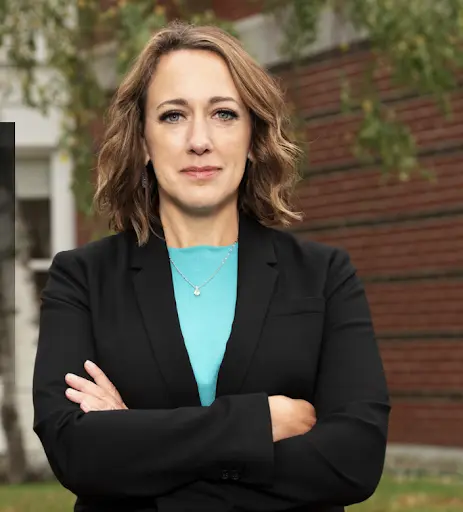
Christiana E. Mann
Christiana “Chrissy” Mann has specialized in civil litigation for 21+ years as a savvy and creative litigator, and she’s regarded as a fair, compassionate, and zealous advocate on behalf of her clients.